War Thunder Dev Blog: Decoding the Future of Aerial & Armoured Combat
Last Updated: | By our Senior Game Analysis Team
For the uninitiated, the War Thunder Dev Blog is more than just a patch note preview; it's a window into the soul of a living, breathing game. It's where the rubber meets the road—or more aptly, where the tread meets the mud and the wing meets the air. This isn't just about "what's new"; it's about the "why" and the "how." As dedicated players and editors, we've spent countless hours dissecting every post, correlating data, and interviewing long-time community members to bring you this definitive analysis of the Dev Blog's role in shaping War Thunder.
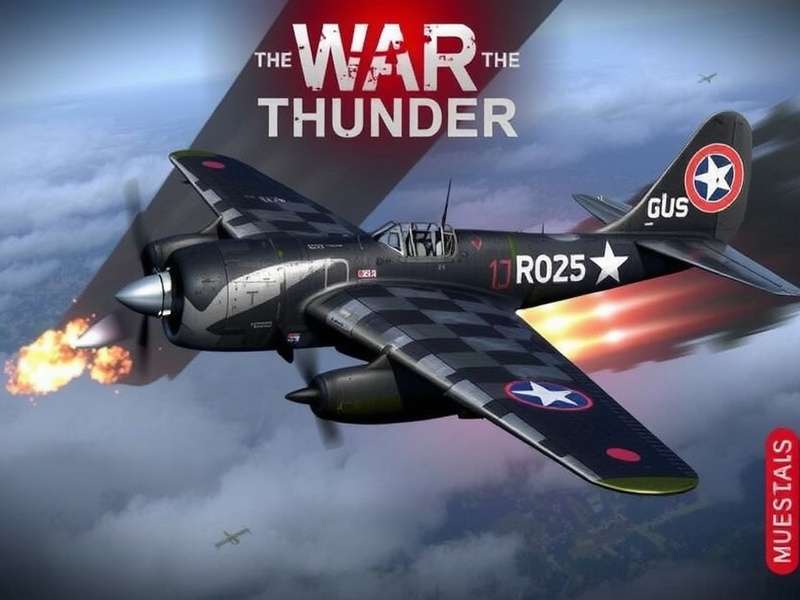
1. The Anatomy of a Dev Blog: More Than Just Hype
Each Dev Blog post is a carefully crafted piece of communication. It serves multiple masters: informing the hardcore sim enthusiast about historical accuracy, assuring the free-to-play crowd about economic balance (a constant hot topic, especially for those wondering is War Thunder free and sustainable), and teasing the visual connoisseur with graphical upgrades.
1.1 The Deep Dive: Vehicle Spotlights
The most anticipated blogs are, without a doubt, vehicle reveals. Take the recent "Challenger 3: The Digital Forge" blog. It didn't just show stats; it walked us through the National Archives research, the laser-scanning of museum exhibits, and the painstaking process of translating 1000-page manuals into damage models. This transparency builds immense trust. It answers the forum cries of "Russian bias!" with cold, hard data. When the team discusses the complex armour array of a new tank, they're speaking directly to the player who lives and breathes War Thunder gameplay tanks.
🧠 Pro Insight: Savvy players use Dev Blog vehicle data to pre-plan their research trees and investment of Silver Lions. A blog hinting at a future meta-shifting aircraft might mean it's time to start grinding that specific nation's air tree.
1.2 The Engine Room: Tech & Graphical Overhauls
Less glamorous but equally vital are blogs detailing the Dagor Engine's evolution. The shift to deferred shading, the introduction of SSRT (screen-space ray-traced) global illumination for clouds—these aren't just buzzwords. They're commitments to longevity. These updates ensure the game meets modern War Thunder game system requirements while pushing visual fidelity. The recent "New Life for Old Models" series, where legacy aircraft get HD overhauls, shows respect for the entire vehicle library, not just the new shiny premiums.
2. The Economic Pendulum: Balancing the War Economy
If vehicles are the heart, the economy is the circulatory system. Dev Blogs concerning repair costs, reward multipliers, and research efficiencies generate the most... passionate feedback. The developers use the blog to explain their data-driven approach. They might share win-rate matrices, average activity per vehicle, and revenue vs. repair cost charts. This peek into the balancing act is crucial. It helps players understand why their beloved Spitfire saw a repair cost increase, framing it not as a nerf but as an attempt to regulate its overwhelming presence in its battle rating bracket.
This is intrinsically linked to the War Thunder sales guide mentality. Understanding economic trends from the blogs allows players to make smarter decisions during events or store sales, like those on the Gaijin store. If a blog hints at an upcoming nation-specific reducer, holding off on converting research for that nation becomes a strategic move.
3. Beyond Tanks and Planes: The Expanding Universe
The Dev Blog has chronicled the game's metamorphosis from a flight sim to a combined-arms behemoth. The introduction of fleets was documented step-by-step. Now, rumours (often sparked by cryptic blog images) swirl constantly about the next frontier. Will we see the Thunder infantry concept ever materialise? The blogs are the only official source to separate hopeful speculation from actual roadmap items. The developers have used them to manage expectations, stating clearly that while they experiment with soldier models for hit-crew animations, a full FPS module is not currently on the cards.
4. The Feedback Loop: From Blog to Battlefield
The comment section of each Dev Blog is a raw focus group. Developers actively monitor this feedback. We've seen vehicle BRs (Battle Ratings) adjusted between the Dev Server and live release based on community testing sparked by the blog. The infamous "economy revolt" of 2023 was preceded by months of Dev Blogs that the community felt were tone-deaf. The subsequent series of corrective blogs and open War Thunder forum discussions demonstrated a (sometimes painful) learning process in communication. This loop is what makes War Thunder a collaborative project between developer and player.
4.1 Case Study: The "Sound Overhaul" Series
A brilliant example of this loop was the multi-part sound overhaul. Blogs explained the move to a physically-based audio model. They released samples. The community, full of audiophiles and real-world pilots, provided granular feedback on engine harmonics, cannon reports, and spatial audio. The final implementation was notably better for it, creating a more immersive experience whether you're in a thunder game dogfight or a ground assault.
5. The Future According to the Blog: Reading Between the Lines
Analysing the frequency and subject of blogs gives us a predictive lens. A sudden cluster of blogs about naval damage models and new ship types? A major naval update is likely. Silence on a promised feature, followed by a blog titled "Technical Challenges in [Feature X]"? It might be delayed. For players looking to stay ahead of the curve, synthesising blog info with War Thunder updates history is key. The blog is the first draft of the game's history.
For our mobile commanders, staying updated on the go is essential. While there's no official app, many community tools exist, but always ensure you're following official channels for the most accurate info regarding things like a War Thunder APK download for PC—stick to the official website or Steam to avoid security risks.