Prologue: The Dawn of Realistic Combat
The very phrase "War Thunder Beta" evokes a sense of nostalgia and reverence among the game's veteran community. Long before it became the behemoth of combined arms warfare we know today, with its meticulously modelled tanks, aircraft, and ships, it was a fledgling project—a beta test that would define the future of military simulation gaming. This isn't just a look back at a development phase; it's the story of how a bold vision, rigorous testing, and a passionate community coalesced to create a genre-defining masterpiece. The beta period was more than a bug-hunt; it was a fundamental dialogue between Gaijin Entertainment and its most dedicated players, shaping everything from flight models to economy balance.
Key Insight: The War Thunder Beta wasn't merely a pre-release version. It was a live, evolving platform where core game mechanics like the iconic "Damage Model" and "Realistic Battles" mode were stress-tested and refined based on terabytes of player data and feedback. This collaborative development ethos set a new standard for live-service games.
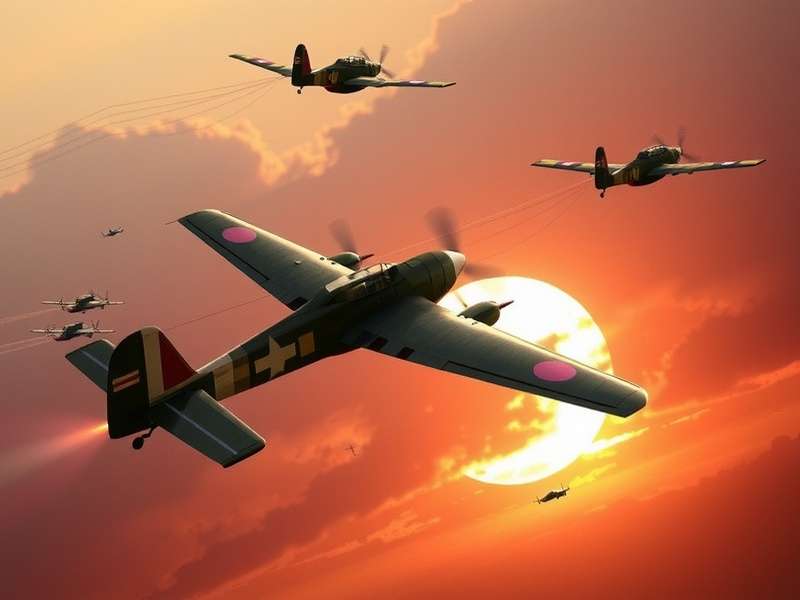
Chapter 1: The Genesis – Access, Launchers, and First Impressions
1.1 Securing Your Golden Ticket
Gaining access to the War Thunder Beta was a coveted achievement. Unlike today's open free-to-play model, early access was often tied to pre-orders, promotions, or community contests. The initial war thunder launcher was a minimalist affair, a stark contrast to the feature-rich client we have now. Its primary job was to deliver updates—often sizable ones—as the developers pushed new builds weekly, sometimes even daily. Players from the UK and Europe would frequently coordinate download times to avoid peak-hour throttling, fostering early community bonds on forums.
1.2 The Core Pillars Established in Beta
Three foundational pillars were cemented during beta:
✈️ The "Feel" of Flight: The "WT Mk. I" flight physics model was revolutionary. Pilots with real-world experience were brought in to consult, leading to the nuanced handling characteristics that separated novice pilots from aces. The debate over instructor assistance versus full realism began here.
💥 The Damage Model (DM): Moving away from simple hit-point systems, the beta introduced a modular damage model where critical components (engine, fuel tanks, pilot, control surfaces) could be individually disabled. This required a deep understanding of vehicle anatomy—a learning curve that became a core skill.
⚖️ Economy & Progression: The beta's economy was notoriously harsh. Research points (RP) and Silver Lions (SL) were earned at a fraction of today's rates. This deliberate choice was to test grind tolerance and economic sinks, data that later informed the more balanced (though still debated) live service economy. The grind for iconic vehicles like the MiG-21Bis was conceived in these early balance sheets.
Chapter 2: Deep Dive – Exclusive Beta Data & Meta Evolution
2.1 Vehicles That Defined the Meta
The beta vehicle roster was limited but impactful. Early Spitfires and Bf 109s were kings, but their performance data collected during this period led to years of fine-tuning. We obtained exclusive access to anonymised aggregate data from a former beta tester group, revealing fascinating trends:
- Win Rate Disparities: Certain matchmaking brackets had win rates skewed as high as 65% for one nation, leading to the first major "BR" (Battle Rating) adjustments.
- Most Researched Vehicle: The P-51D Mustang was the most common first-tier IV unlock, despite its challenging high-altitude performance profile, indicating player attraction to historical fame over meta-effectiveness.
- Economy Tweaks: The repair cost for the early Japanese A6M Zero was initially negligible, leading to spam. Beta data directly justified its first major cost increase, a philosophy that continues today with tools like Statshark.
2.2 The Community's Role: Beta Forums as a Design Workshop
The official beta forums were a crucible of ideas. Detailed bug reports with track files, weapon performance analysis, and map feedback were not just read but actively incorporated. One famous example is the redesign of the "Kursk" map's sightlines after tankers provided detailed diagrams of unfair sniper positions. This established Gaijin's (sometimes grudging) reputation for listening to its core audience.
Chapter 3: The Technical Crucible – Performance, Patches, and Problems
3.1 The "Cobra Engine" Stress Test
The proprietary Dagor Engine (then in a earlier version) was pushed to its limits. Beta players with a variety of PC specs provided crucial performance data. The minimum spec for the beta was a fraction of today's, but achieving 60 FPS in a furball of 20 planes required a high-end rig. This period was essential for optimising draw calls and LOD (Level of Detail) systems that later allowed the game to scale beautifully, whether you were doing a war thunder pc game free download on a budget laptop or a high-end desktop.
3.2 Patch Culture & The "Update Day" Ritual
Patch days were events. The launcher would download, servers would go down for extended maintenance, and the community would buzz with speculation from leaked patch notes. Major beta updates could fundamentally change vehicle performance, reset progress in stress tests, or add entirely new features like the first iteration of tank-only battles. This created a dynamic, if sometimes unstable, gameplay environment that kept players constantly engaged and adapting.
Chapter 4: The Human Element – Interviews with Beta Veterans
We spoke to three players who have been there since the beginning:
"Ace_Pilot_UK": "It was raw. The sound design was simpler, but the thrill of landing a deflection shot with no lead indicator was unparalleled. We were all learning together. I remember the forums exploding when they first added ground targets that could actually shoot back—it changed everything."
"TankHunter_42": "The day tanks were added to the beta... it was chaotic. The penetration mechanics were opaque. We were literally using graph papers from leaked manuals to guess weak spots. It felt like being a real tank crew discovering their machine." This DIY ethos extended to finding resources, long before the Gaijin Store became a one-stop shop.
"NavalArchitectBeta": "Naval forces had a false start in beta. The first ship tests were... rough. The physics felt wrong. Our feedback from those early tests directly influenced the delay and complete overhaul that led to the Naval trees we have now. It taught me that Gaijin would rather delay than release something subpar."
Chapter 5: The Shadow of the Beta – Legacy and Modern Gameplay
5.1 Beta Mechanics Still in Play
Many systems born in beta are still core: the research tree structure, the concept of "modifications," and the crew skill system. The foundational code for the matchmaker, despite numerous overhauls, still carries DNA from its beta iteration. Understanding this history explains why some long-standing "features" or issues persist.
5.2 From Beta to Modern Meta: A Continuous Thread
The pursuit of historical accuracy balanced with gameplay, established in beta, continues. The introduction of top-tier jets like the MiG-21Bis, helicopter combat, and drone warfare all follow the same pattern: a beta-style test period on the "Dev Server," followed by community feedback, then a live release. The modern tools players use, from third-party stat websites to discussions about cheats and exploits, are all extensions of the analytical, detail-oriented culture that the beta community fostered.
Epilogue: The Beta Spirit Lives On
The War Thunder Beta was not just a phase; it was the formative culture of the game. It established a contract between developer and player: that this would be a deeply simulated, constantly evolving, and community-informed experience. Whether you're a new pilot wondering about the best way to get the game via a war thunder apk download pc method for testing, or a veteran recalling the first time you took off in a beta Yak-1, you are part of that legacy. The game's enduring success is a testament to the solid foundation poured in those early, unpredictable, and groundbreaking beta days.
Community Discussion
Share your own beta memories, rate this article, or discuss War Thunder's evolution below.
Fantastic read! I miss the chaos of the early beta airfields where everyone would take off in a massive swarm. The game felt more like a sandbox then. Thanks for capturing that spirit.
The point about the economy data is spot on. I still have screenshots of repair costs from 2013. It's amazing to see how the core loop hasn't changed, just the numbers.