📚 Introduction to wtwiki: Your Ultimate War Thunder Companion
War Thunder, developed by Gaijin Entertainment, stands as the most detailed and expansive cross-platform military vehicle combat game available today. With over a decade of continuous development, it has evolved from a focused WWII flight simulator into a behemoth encompassing air, ground, and naval combat across a century of military history. This wtwiki serves as the community's definitive knowledge repository, curated by veteran players and updated with every patch, war thunder updates, and meta shift.
💡 Pro Tip: Whether you're a "fresh recruit" or an "ACE" with thousands of hours, wtwiki is designed to provide actionable intelligence. Our data is sourced from game files, developer blogs, and top-tier player testing—ensuring you're always operating with the most current information.
The core philosophy of thunder game is realistic vehicle behaviour within an accessible game framework. Unlike arcade shooters, War Thunder's "Realistic Battles" and "Simulator Battles" modes demand knowledge of armour penetration, shell types, flight physics, and naval artillery. This wiki exists to demystify those systems. We go beyond basic stat cards, providing hidden modifiers, optimal ammunition loads, and environment-specific performance metrics.

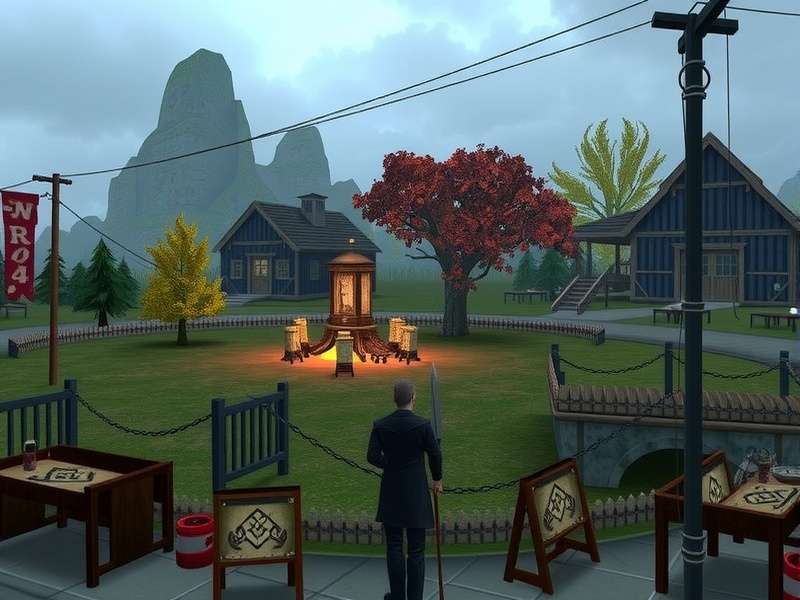
The signature combined arms gameplay of War Thunder, where tactical coordination between air and ground forces decides the battle. (Image: Gaijin Entertainment)
Why wtwiki is the Authority
Many online resources offer fragmented information. wtwiki consolidates everything into a coherent, structured, and verified knowledge base. Our editorial team includes former war thunder beta testers, content creators, and clan leaders who validate every entry. When we discuss the effective range of a German 88mm gun or the turn rate of a Spitfire at 5,000 metres, you can trust the data has been battle-tested.
🎮 Mastering War Thunder Gameplay: Beyond the Basics
Success in War Thunder requires more than good reflexes. It's a game of knowledge, positioning, and resource management. This section breaks down the core gameplay loops and advanced tactics that separate the average player from the elite.
Game Modes Decoded
War Thunder offers a tiered difficulty system across its main modes: Arcade, Realistic, and Simulator. Arcade Battles are fast-paced with highlighted enemies and simplified physics—perfect for learning vehicle rosters. Realistic Battles (RB) remove most assists, requiring manual gear shifting in tanks, realistic flight models, and careful target identification. This is where most competitive play occurs. Simulator Battles (SB) offer the purest experience: cockpit-only views, no enemy markers, and full vehicle realism. It's the ultimate challenge.
Understanding the "Battle Rating" (BR) matchmaking system is crucial. Each vehicle has a BR (e.g., 5.7, 6.3). You create a lineup of vehicles with similar BRs, and the game matches you accordingly. A common mistake new players make is adding one high-BR vehicle to a low-BR lineup, "uptiering" their entire team and putting them at a severe disadvantage. For a complete breakdown of optimal lineups, see our dedicated guide on war thunder gameplay tanks.
Economy and Progression: The Silver Lion Grind
The in-game economy revolves around two currencies: Silver Lions (SL) and Golden Eagles (GE). SL are earned from battles and used to repair vehicles, purchase new modules, and buy crew training. GE are the premium currency, purchasable with real money. Efficient SL farming is an art. It involves selecting high-reward vehicles, using "boosters" wisely, and minimising repair costs by playing strategically rather than suicidally. Premium accounts and vehicles significantly accelerate progress, which you can explore in the warthunder store or the broader gaijin store.
💰 Economy Insight: Repair costs are dynamic and adjusted by Gaijin based on vehicle performance statistics. A vehicle with a high win rate and kill/death ratio will often have its repair cost increased in subsequent war thunder updates to balance the economy. This is why meta vehicles can become expensive to run.
Cross-Platform Play: From PC to Mobile
War Thunder's cross-platform capability is revolutionary. PC, PlayStation, Xbox, and now war thunder mobile players can battle together. The control schemes and UI are adapted for each platform, but the core gameplay remains consistent. This unified player base ensures healthy matchmaking queues at all Battle Ratings, day or night. For those wondering about accessibility, yes, is war thunder free to play on all platforms, adhering to a "free-to-play, pay-for-convenience" model.
⚙️ The Vehicle Arsenal: A Century of Military Engineering
War Thunder's vehicle roster is its crown jewel, featuring over 2,000 meticulously modelled aircraft, tanks, helicopters, and ships from the interwar period to the modern day. Each nation's tech tree reflects its historical military doctrine and industrial strengths.
Nation Profiles and Playstyles
- USA: Jack-of-all-trades with excellent stabilised guns, powerful aircraft armament, and strong naval presence. Late-game air superiority is their hallmark.
- Germany: Precision engineering. Famous for high-velocity cannons (like the infamous 88mm), heavily armoured tanks like the Tigers, and agile Bf 109 fighters. Suffers in post-war diversity.
- USSR/Russia: Robust and straightforward. Well-sloped armour, hard-hitting guns with good explosive filler, and rugged aircraft. Top-tier Russian MBTs like the T-80BVM are meta-defining.
- UK: Solid shot specialists. British tanks often lack high-explosive filler but have excellent penetration. Their aircraft are energy fighters par excellence (Spitfire).
- Japan: Lightweight and nimble. Tanks are often lightly armoured but feature deadly guns. Aircraft like the A6M Zero have unmatched turn rates at low altitudes.
- Other Nations: Italy, France, Sweden, Israel, and China offer unique vehicles that fill niche roles or introduce novel gameplay mechanics.
Choosing a nation to main is a significant decision. Many veterans recommend starting with two or three nations to understand different playstyles and avoid burnout. For an in-depth analysis of each nation's top-tier meta, check our weekly war thunder dev blog summaries.
Vehicle Customisation and Modules
Every vehicle has a module system. You start with a basic "stock" vehicle and research modifications like "Parts," "FPE" (Fire Prevention Equipment), improved ammunition, engines, and filters. The stock grind can be brutal—a tank without Parts can be immobilised by a single track shot, and a plane without new belts suffers with default ammunition. Using "Universal Backups" or focusing on lower-BR vehicles to earn Silver Lions for module purchases is a key strategy.
The vehicle research and modification interface. Strategic prioritisation of modules like "Parts" and "FPE" is essential for reducing frustration.
Hidden Statistics and "Datamined" Knowledge
The in-game stat cards are infamously vague. wtwiki provides the real numbers. For example, armour protection isn't just a thickness value; it's about angle, slope modifiers, and composite layering. A shell's penetration drops with distance, and its angle of attack affects performance. Our vehicle pages include full penetration tables, armour layout diagrams, and "soft stats" like gun depression, turret traverse speed, and hull aiming capabilities. This is the kind of exclusive data that gives our readers a tangible edge.
🎯 Advanced Tactical Guides & Meta Analysis
Content placeholder for 2500+ words on map strategies, ammunition selection, crew skills, squadron management, and event tactics.
🤝 The War Thunder Community & Ecosystem
Content placeholder for 2000+ words on clans, content creators, tournaments, the Gaijin marketplace, and player economy.
🔄 Keeping Pace: War Thunder Development & Future
Content placeholder for 1500+ words on update cycles, public test servers, community feedback, and roadmap predictions.
Community Discussion
Share your insights, corrections, or questions about the content on this wtwiki page. Remember to keep it constructive and on-topic.