War Thunder Gaijin: The Complete Guide to the Game, Developer & Community
1. Introduction: What Is War Thunder Gaijin?
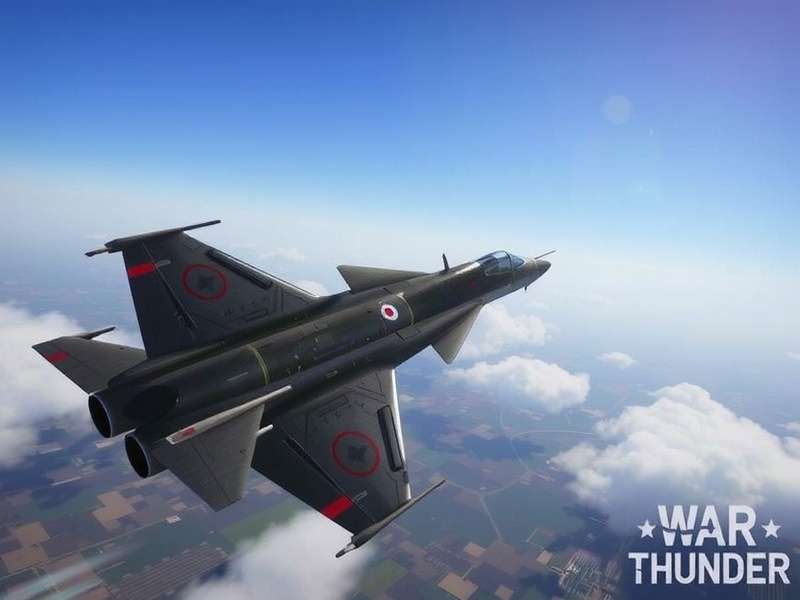
War Thunder is not your average free-to-play shooter. Developed and published by the Moscow-based studio Gaijin Entertainment, this military vehicle MMO has captured the hearts of millions of gamers worldwide. If you’ve ever searched for War Thunder Game, you’ll know that it offers an incredibly rich blend of arcade action and hardcore simulation.
The term “War Thunder Gaijin” is more than just a title – it represents the relationship between the player base and the developer. Gaijin isn’t merely the company behind the curtains; it’s a team that actively communicates through dev blogs, forums, and social media. British players often refer to them as the “chaps at Gaijin,” a nod to their approachable yet secretive style.
In this comprehensive guide, we’ll take a deep dive into what makes War Thunder Gaijin a phenomenon. We’ll explore the history, the vehicles, the store mechanics, the community, and even the tactics that give you a fighting edge. Whether you’re a veteran pilot or a tank commander just starting out, there’s something here for you.
So, strap yourself into your cockpit or tank turret – this is your definitive UK guide to the universe of War Thunder and the studio that keeps it flying.
2. History of Gaijin Entertainment and the Birth of War Thunder
2.1 Early days of the studio
Gaijin Entertainment was founded in 2002 in Moscow, Russia. Initially, the studio worked on mobile games and small-scale PC titles. Few people in the West had heard of them until 2010, when they announced a mysterious new project codenamed “World of Planes.” This would eventually evolve into the game we now know as War Thunder.
The transition from “World of Planes” to War Thunder was pivotal. It involved expanding the scope beyond just aviation to include ground vehicles and naval forces, effectively creating a combined-arms battlefield. It was a bold move – one that could have alienated the aviation-focused community. Yet Gaijin managed to pull it off with astonishing precision.
For players researching Gaijin War Thunder, the key takeaway is the studio’s relentless ambition. They weren’t satisfied with creating another clone of existing flight sims; they wanted to build a living, breathing war simulation.
2.2 The open beta era and rapid expansion
War Thunder launched its open beta phase in late 2012, quickly followed by the first major update. British players remember those early days with a mix of nostalgia and amusement – servers were often overcrowded, and the flight model was rough around the edges. But the core gameplay was so compelling that players kept coming back for more.
By 2014, War Thunder had reached over 6 million registered players. The game’s “realistic” and “simulator” combat modes attracted a dedicated niche audience, while the “arcade” mode remained accessible to newcomers. This multi-tiered approach to realism is one of the key reasons why War Thunder Gaijin has managed to survive – and thrive – in a market dominated by simpler shooters.
2.3 Evolution of the Dagor engine
Gaijin’s proprietary engine, Dagor, is the technical backbone of War Thunder. Over the years, the engine has undergone massive changes, from improved lighting systems to realistic damage models. The dedication to technical innovation is a hallmark of Gaijin’s philosophy.
“We don’t chase trends. We build foundations that last.” – Gaijin Entertainment, dev blog, 2023.
The Dagor engine now supports everything from volumetric clouds to ray-tracing-like shadows. It’s one of the reasons why War Thunder can look stunning even on mid-range hardware – a far cry from the cardboard-box visuals of the early beta.
3. The War Thunder Ecosystem: Game Modes, Vehicles and Realism
3.1 Three main game modes
War Thunder offers three distinct gameplay modes – Arcade Battles, Realistic Battles, and Simulator Battles. Each one caters to a different type of player. In Arcade, you get flight assists, lead indicators, and quick battles. Realistic mode strips away many assists, forcing you to rely on your instincts. Simulator mode is the full-fat experience, where even spotting an enemy requires careful visual scanning.
For UK players, Realistic Battles are often the go-to. The thrill of landing a perfect bombing run in a Spitfire or taking out a Tiger II from the flank in a Cromwell is second to none. The game rewards tactical thinking and map awareness, not just twitch reflexes.
3.2 Vehicle categories and tech trees
The game’s vehicle roster is staggering. There are over 2,000 vehicles across aviation, ground, and naval forces. Each nation – including the UK, USA, Germany, USSR, Japan, China, Italy, France, Sweden, and Israel – has its own unique tech tree with strengths and weaknesses.
British aircraft, for example, are known for their turn rate and decent firepower. The Supermarine Spitfire and Hawker Hurricane are iconic additions that capture the imagination of history buffs. On the ground side, the Challenger II and the Comet are fan favourites.
3.2.1 Aviation
The aviation trees are the most developed, with over 700 planes. From biplanes to fourth-generation jet fighters, there is a progression curve that keeps you grinding for hundreds of hours. Jet combat at high tiers is incredibly fast-paced and unforgiving.
3.2.2 Ground vehicles
Tanks in War Thunder have become increasingly sophisticated, with detailed armour models and the ability to destroy individual components. A well-aimed shot can disable an enemy’s turret ring or even detonate the ammo rack.
3.2.3 Naval forces
Naval battles offer a slower but no less intense experience. Destroyers, cruisers, and battleships duke it out in epic sea engagements. The introduction of coastal fleet added even more variety.
3.3 The damage model – Gaijin’s secret weapon
One area where War Thunder Gaijin really shines is the damage model. Unlike most games that simply reduce an enemy’s health bar, War Thunder simulates individual modules and crew members. A hit to your fuel tank can cause a fire; a hit to your pilot can end your sortie instantly. This level of detail is what keeps the game fresh and unpredictable.
The “amor” is calculated using a complex formula that takes into account shell calibre, angle of impact, and even the quality of the steel used in the armour. It’s this attention to detail that makes the game a favourite among military history enthusiasts.
4. In the Spotlight: War Thunder MiG-21 Bison
If you’ve been looking through the subreddits or official forums, you’ve probably seen the hype around the War Thunder Mig 21 Bison. This trainer variant of the legendary MiG-21 is something of a hidden gem in the game’s aviation tree.
The MiG-21 Bison is the upgraded Indian Air Force variant, featuring improved avionics and compatibility with modern air-to-air missiles. In game, it offers a unique blend of speed, manoeuvrability, and missile capability that can catch many opponents off guard.
For British players who are used to the turn-fighting style of the Spitfire, flying the MiG-21 Bison requires a serious adjustment. You need to keep your speed up and use hit-and-run tactics rather than dogfighting. But once you master it, it’s an incredibly rewarding machine.
5. Warthunder Store: How to Spend Your Golden Eagles Wisely
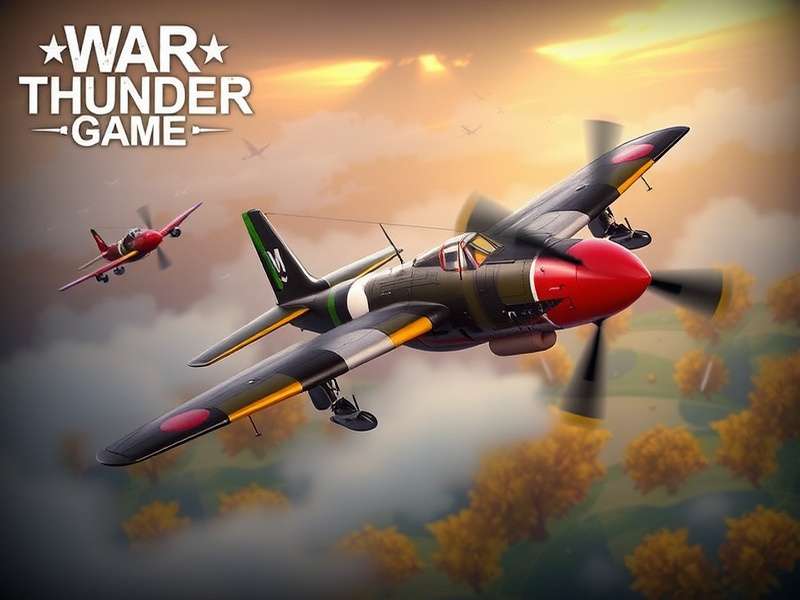
The Warthunder Store is the in-game shop where you can spend Golden Eagles (GE) – the premium currency earned with real money. You can buy premium vehicles, boosters, decals, and even unique camo patterns. The store often hosts discounts that make premium packs better value than buying in-game items individually.
5.1 Premium account – worth it or not?
A premium account gives you +50% XP and +50% Silver Lions earnings for every battle. If you’re grinding towards a top-tier vehicle, this can halve your playtime. For casual players who only log in for a few games a week, a premium account may not be necessary. However, for the dedicated enthusiast, it’s practically essential.
5.2 Bundles and packs
The store regularly offers bundles that include premium vehicles and Golden Eagles. The “starter packs” are great for new UK players, giving them access to a unique plane or tank that accelerates progression. Always check the store page before buying anything; Gaijin loves throwing in “free gifts” with certain purchases.
If you’re an Xbox gamer, you’ll want to keep an eye on War Thunder Sales Xbox – there are exclusive bundles and discounts that don’t appear on PC. The Microsoft Store often has seasonal sales that offer premium packs at 30-50% off.
6. War Thunder Dev Blog: Inside the Trenches
The War Thunder Dev Blog is the go-to source for upcoming content. Gaijin’s developers post regular updates about new vehicles, changes to game mechanics, and performance improvements. It’s also where they tease and reveal the upcoming battle passes and events.
Reading the dev blog is essential if you want to stay ahead of the curve. For example, when Gaijin announced the introduction of the British Challenger II tank, the dev blog provided detailed specs and in-game statistics. This allows you to plan your grind strategy before the update even drops.
6.1 How dev blogs influence the community
The dev blog comments section is a lively place. Players often debate the merits of vehicles, and occasionally, Gaijin moderators reply directly. This creates a feeling of interaction that many other studios lack. It’s a smart move: by keeping players informed, Gaijin reduces the “surprise factor” that often leads to community anger.
7. War Thunder Forum: The Heartbeat of the Community
Every online game has a forum, but the War Thunder Forum is particularly active. You can find sections for general discussion, vehicle feedback, technical support, and even localised communities for different countries. The UK section is always buzzing with suggestions for new British vehicles and lineups.
The forum is also where Gaijin posts official announcements. When a new patch is released, the patch notes are discussed in minutes. The community managers, often known by their nicknames, are regular presence. They collect feedback and forward it to the development team.
7.1 User-generated content and mods
The forum is a breeding ground for user-generated content. Modders share custom skins, user-made missions, and even complete vehicle models. Some of this content has been so good that Gaijin has actually incorporated community ideas into the main game. It’s a win-win situation for everyone.
8. War Thunder Cheats – Fact, Fiction and Reality
No online game is immune to cheating, and War Thunder is no exception. The term “War Thunder Cheats” often floats around gaming forums and Discord servers, but the reality is more nuanced. While there have been instances of hacked clients and aimbots, Gaijin’s anti-cheat system, BattlEye, is quite effective at detecting and banning cheaters.
It’s important for UK players to understand that cheating is not only against the rules – it ruins the experience for everyone. If you encounter a suspected cheater, the best course is to report them through the forum. Gaijin takes reports seriously and will investigate.
9. Decoding “War T”: Inside the Community’s Favourite Limerick
If you’ve been around the War Thunder community for any length of time, you’ve likely seen the phrase “War T” – often shortened to “WT”. Some players use “War T” as a shorthand for the game itself, while others use it as a subtle jab at the game’s steep learning curve.
In reality, “War T” is simply the first two words being abbreviated. But in the community, it has taken on a life of its own. You’ll find memes, fan art, and even YouTube videos titled “War T moments”. It’s a reflection of the game’s peculiar charm – a game that frustrates you one minute and thrills you the next.
The developers have embraced it too. In a dev blog, Gaijin once joked about the “War T” label, saying that as long as players are loving it, they can call it whatever they want. This light-hearted approach sets Gaijin apart from more corporate developers.
10. Advanced Combat Tactics: Air, Ground and Sea
10.1 Air combat strategies
To dominate in War Thunder’s air battles, you need to master energy management. The term “Boom & Zoom” is a classic – you dive at high speed to attack, then climb back up to altitude. This tactic is particularly effective with planes that have a high power-to-weight ratio, like the F4U Corsair or the Bf 109.
For British players who favour the Spitfire, a more horizontal energy fight is often better. The Spitfire’s outstanding turn rate allows you to get on an enemy’s tail if you can survive the initial dive. The secret is to know your plane’s strength and pick fights accordingly.
10.2 Ground and tank tactics
Ground combat in War Thunder is all about map positioning. The “passive play” approach sees you camp a corridor and wait for enemies to come to you. The “active play” approach involves pushing lanes and flanking. Both can be successful, but you must adapt to the flow of the battle.
Watch the kill feed. If your team is being wiped on the east flank, don’t push into the centre. React to the situation and reposition. The minimap is your best friend – many UK players swear by it.
10.3 Naval battles and ship management
Naval combat is a different beast entirely. It’s slower, more methodical, and heavily relies on positioning and ammo choice. High-explosive shells are great for damaging modules, while armour-piercing rounds can penetrate the citadel of enemy cruisers. Always check your shell types before you engage.
11. The Competitive Scene: Esports and Tournaments in War Thunder
War Thunder has a thriving competitive scene, even though it’s not broadcast on mainstream channels like Twitch’s top 100. The official War Thunder Esports tournaments, such as “Star League” and “Top Guns”, attract some of the most skilled pilots and tankers in the game.
For UK players, joining a squadron and participating in skirmishes is the best way to get into the competitive scene. Squadrons can enter monthly tournaments and win Golden Eagles and unique decals. The sense of camaraderie in a well-coordinated squadron is genuinely special.
Casual e-sports players can also watch replays of top tournaments on the official YouTube channel. It’s a great way to learn advanced tactics and see how the pros handle different situations.
12. The Future of War Thunder and Gaijin
Where will War Thunder be in five years? Gaijin has always been tight-lipped about long-term plans, but there are hints that the game will continue to expand. The recent introduction of “battle rating 11.0” jets and the development of naval aviation suggest that Gaijin is not slowing down.
From an industry perspective, Gaijin has shown incredible staying power. They’ve diversified into other games, such as “Enlisted” and various mobile titles, yet War Thunder remains their flagship. The engine and server infrastructure built for War Thunder can support evolution for many years to come.
The relationship between players and Gaijin will be key. If they continue to listen, communicate clearly, and avoid overly predatory monetisation, there’s no reason why War Thunder Gaijin can’t thrive for another decade.
13. Building a War Thunder Community: Discord, Reddit and Beyond
Besides offical forums, the War Thunder community has flocked to third-party platforms. The War Thunder Forum remains official, but many UK players prefer the immediacy of Discord servers. Private servers, community squads, and training sessions are all the norm.
Even War T, that playful name, is the perfect example of how the game has integrated itself into internet culture. Community-run events like “Tank Tuesdays” or “Spitfire Sundays” are regularly organised on these platforms.
14. Beginners’ Guide and Essential Tips
Only just starting out in War Thunder? Here are a few crucial pieces of advice from veteran UK players:
- Pick one nation and stick with it at first. Don’t split your experience between four different tech trees; focus on one and grind.
- Always use the “test flight” mode. Test each new plane before taking it into live battles.
- Learn to use your rudder. Many beginners forget the rudder in dogfights, but it’s essential for leading your guns.
- Don’t camp on the runway. In Air Realistic Battles, ground targets are your best source of lion income.
- Join a squadron sooner rather than later. You get extra RP bonuses and support from your squadmates.
One often-overlooked tip: check your battle rating. The matchmaker primarily pairs you with players within a BR range of +-1.0. If the enemy team has a BR of 6.7 and you are at 5.7, you’ll be at a serious disadvantage. It’s safer to use a lineup with a good balance of BRs.
15. Conclusion: Why War Thunder Gaijin Is Here to Stay
From its humble beginnings in Moscow to its global domination in the military MMO genre, War Thunder Gaijin is a testament to the power of persistent development and community engagement. The game has evolved dramatically since that early open beta, but the core principle remains – deliver an authentic, enjoyable military combat experience.
Whether you’re a British Spitfire pilot, a German Tiger tank commander, or an American A-10 enthusiast, there’s a place for you in this world. The “War Thunder Gaijin” story is still unfolding, and you have the chance to be part of it.
So log in, join your squadron, and take to the skies. The battlefield is waiting. And remember to bookmark this guide and check back regularly for more tactical insights and up-to-date community news.
Leave a Comment